
Foundations
Part of Video marketing agencies foundations, a service business or a production craft?
Why video marketing agencies face wider commercial opportunities
A practical look at why video marketing agencies find commercial opportunities across more sectors and briefs, with checks on client sectors, consent and ad rules.
What to take away
- Video is bought by more departments than marketing, from HR to operations. Each has its own budget and reasons to commission films.
- Retail remains a large UK client basethe ONS reported retail sales volumes rose by 0.5% in July 2026, so shops keep commissioning video.
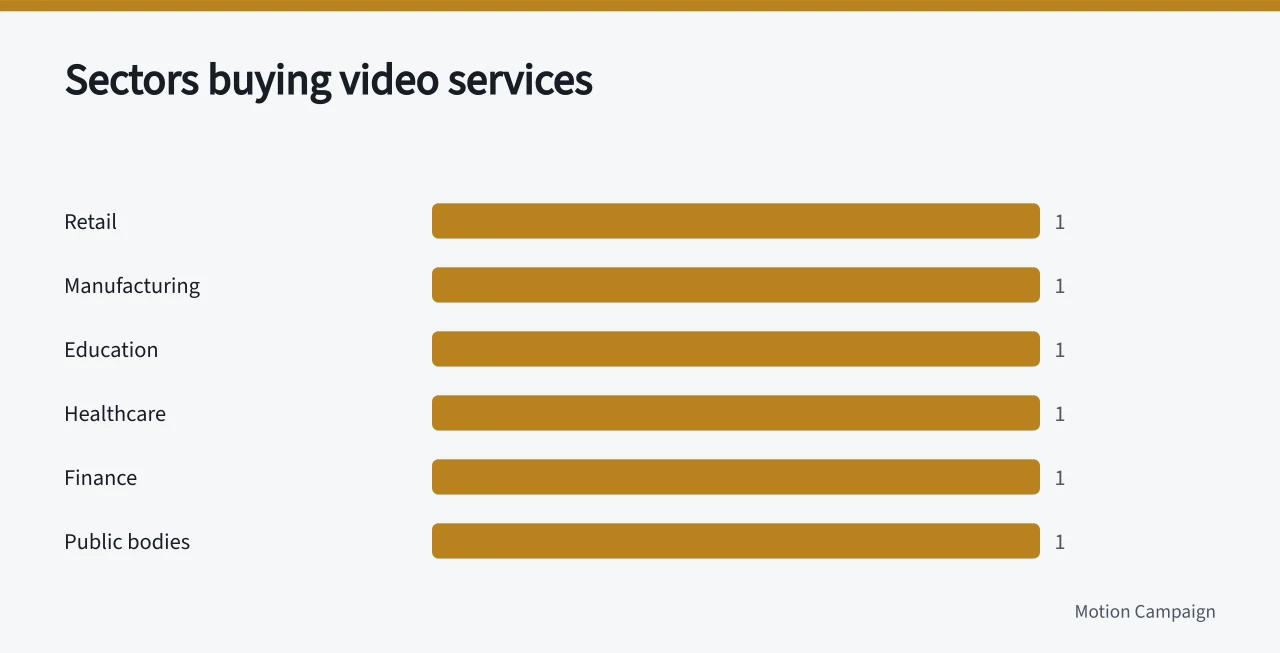
- Opportunity spreads across regulated sectors, because every sector buys video for marketing, training and internal communications.
- Data protection rules shape the brief before filming starts, so consent wording belongs in the quote.
- Advertising rules apply wherever video runs, including paid social placements.
Why the client base is broader than it looks
Agencies often describe themselves as serving consumer brands. That framing hides the spread of buyers.
A fashion retailer may commission a seasonal product launch film. A food manufacturer may need a factory safety induction. An NHS trust may ask for a patient information explainer. A further education college may book a recruitment film for apprenticeship applications.
The Office for National Statistics publishes retail industry data that agencies use when pitching retailers. It shows how sales move month to month, helping you time a campaign pitch. A retailer cutting spend is a harder pitch than one reporting growth.
Commercial opportunity also comes from repeat work. A client may need a launch film, then a training series, then social cutdowns. That pattern rewards agencies treating video as a service, not a one-off project. The site's demand signals in England explain what prompts briefs.
Procurement, accessibility and repeat work
Pricing depends on crew size, shoot days, usage rights, post-production and accessibility deliverables. BECTU publishes minimum rates for film and TV crew, which agencies can check before setting a day rate.
Small retainer vs annual programme
Social cutdowns
- Monthly spend
- £400
- Annual value
- £4,800
- Budget holder
- Marketing
- Repeat work
- Ad hoc
Annual film programme
- Monthly spend
- £1,000
- Annual value
- £12,000
- Budget holder
- Multiple teams
- Repeat work
- Programmed
Public sector and regulated buyers add procurement steps. A council or NHS body may require WCAG 2.2 AA captions, transcripts and audio description. It may also buy through a Crown Commercial Service framework. Retention periods and approval trails raise the value of a brief. Repeat work follows when one department sees the result and books another film.
Consent and privacy shape the brief
The UK GDPR and the Privacy and Electronic Communications Regulations set the rules for direct marketing. The Information Commissioner's Office publishes a direct marketing and PECR hub covering consent, soft opt-in and electronic messages. If a campaign will collect leads or run email follow-up, read it before you quote.
A film may capture members of the public, staff or customers, and a campaign may ask viewers to sign up. Consent wording, retention and withdrawal routes all affect how footage can be used. Getting this wrong creates rework that destroys margin.
Agencies that build consent into their process can charge for it. They also avoid reworking a cut the rules will not allow.
Advertising rules apply to every channel
The Advertising Standards Authority and the Committee of Advertising Practice maintain the CAP Code, which covers video ads in paid and organic placements. The ASA's AdviceOnline library lists rules for marketers, including sector guidance. Check it when a client works in alcohol, gambling, food or health.
Video makes compliance harder because claims appear in sound and picture. A voiceover can imply a benefit the on-screen text does not support, and a demonstration can overstate what a product does. Agencies that flag this early win trust.
The pillar guide on the England market for 2027 sets out the segments and how they differ.
Checklist for testing a new client sector
Testing a new client sector
- Is there a named budget holder for video, or only a general marketing pot?
- Does the sector have advertising rules to check before the brief is signed?
- Will the work involve personal data, public filming or lead capture?
- Can the client buy repeat work, such as cutdowns or training updates?
- Does the sector publish data, like the ONS retail series, that supports your pitch?
Checklist for pricing the brief
Pricing the brief
- Have you costed consent, retention and accessibility requirements?
- Have you separated one-off production from ongoing service fees?
- Have you stated what usage rights the fee covers?
Common questions
Why are commercial opportunities wider for video agencies now?
Buyers sit outside marketing as well as within it. Training, operations and product teams all commission films.
Do data protection rules really affect video production?
Yes, when a project involves filming people, capturing leads or follow-up messages. The ICO hub on direct marketing and PECR explains the consent rules.
Where can I check advertising rules for a client sector?
The ASA and CAP AdviceOnline library holds guidance for specific sectors and claim types. Check it before scripting in a regulated market.
Is retail still a strong sector to pitch?
The ONS retail data shows how sales are moving, which supports a well-timed pitch. Other sectors may offer steadier repeat work.