Outlook
Seasonal planning for a video marketing agency in Edinburgh
Video marketing agency planning in Edinburgh tracks the Festival and Hogmanay peaks, visitor surges and shoot lead times so crews and budgets hold.
What to take away
- A video marketing agency in Edinburgh should book Festival and Hogmanay crews six to nine months ahead.
- August is the production bottleneckaccommodation, permits and freelance crew all compete with the Festival.
- Visitor peaks run April to September, with August and the Christmas and New Year period the busiest.
- Winter daylight is short, so schedule interviews and exteriors between about 9am and 3pm.
- Inflation and regional wage data should sit in every seasonal budget line, not just the contingency.
Mapping Edinburgh's Festival and Hogmanay production calendar
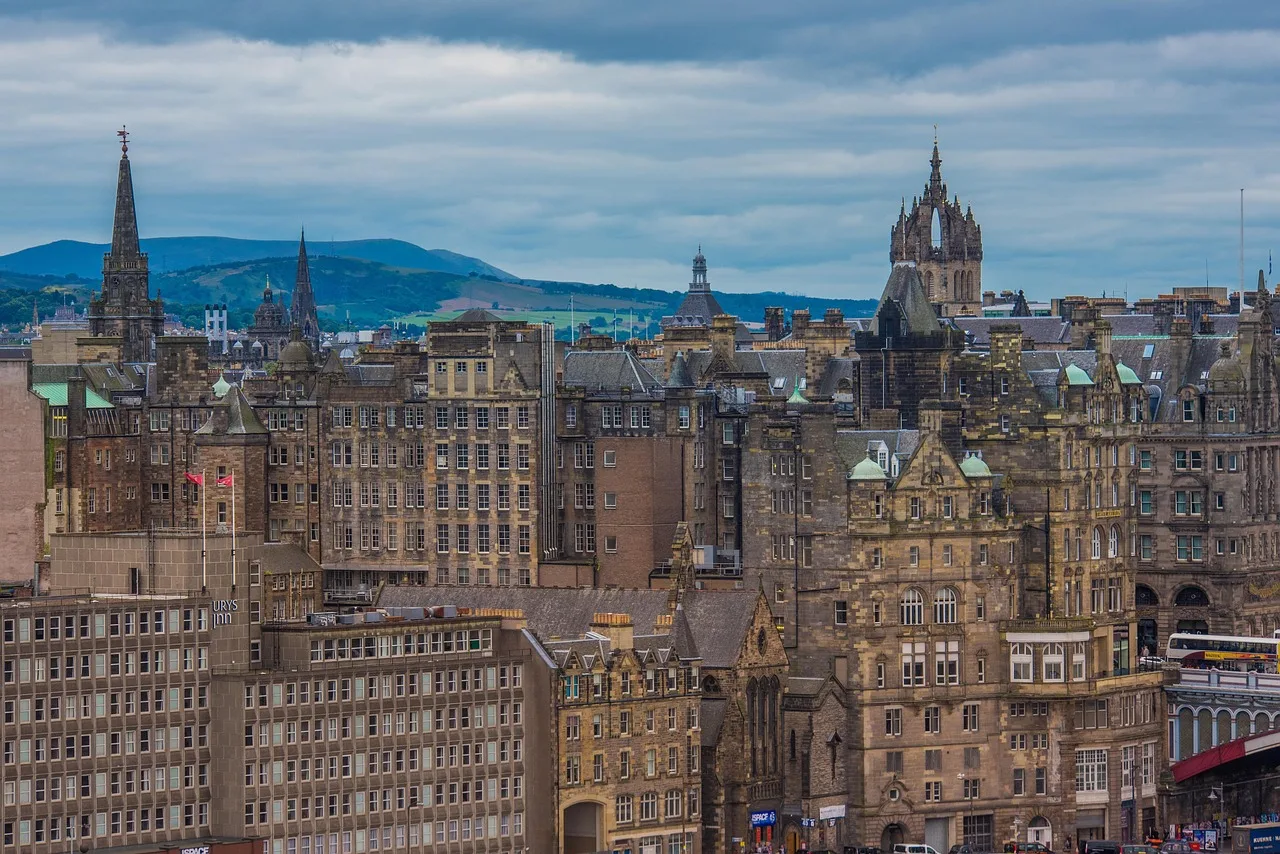
Edinburgh's events calendar is unusually concentrated, and it dictates when a video marketing agency can shoot in the city. The Edinburgh Festival Fringe runs through August, with the Edinburgh International Festival, the Book Festival and the Art Festival overlapping in the same weeks.
Edinburgh production calendar
- AugustFestival Fringe and Tattoo peak
- Late DecemberHogmanay crowd management
- Late winterShoot quiet tourism videos
- September-OctoberShoot Hogmanay content
The Royal Edinburgh Military Tattoo fills Castlehill and the Esplanade across the same month. Demand for filming in the city centre peaks at exactly the moment when hotels, taxis and crew are hardest to book.
Hogmanay is the second spike. Edinburgh's Hogmanay street party and the associated concerts and fireworks put the city centre under crowd management from late December into 2 January. Production access around Princes Street, the Royal Mile and Edinburgh Castle is restricted.
The Hogmanay production window effectively closes from mid December to early January for anything that needs public space.
The practical answer is to work backwards from the broadcast or campaign date. If a tourism video must land before the summer season, shoot in late winter or early spring, when locations are quiet and daylight is improving. If it must land before Hogmanay, shoot in September or October and leave November for edits and approvals.
Use the quieter months for material that does not need crowds: interviews with venue managers, behind the scenes at hotels, food and drink shoots, and drone work over the Forth and the Pentlands. Those assets feed the seasonal edits later.
Teams that map this early tend to avoid the scramble that hits every July. The same discipline helps when interpreting demand signals for campaign planning.
Tourism visitor peaks and what they mean for video marketing demand
Edinburgh's visitor economy is seasonal, and the peaks are predictable. Spring and summer bring leisure visitors, festival audiences and cruise calls at Leith. August is the single busiest month for the city centre. December brings Christmas markets and Hogmanay, then January and February fall quiet before the Easter upturn.
Those peaks translate directly into demand for video work. Hotels, tour operators, attractions and restaurants all want fresh footage before their selling season, not during it. A hotel that wants to fill autumn weekends needs its video live by late summer.
A tour operator selling next year's Highlands and islands departures needs footage in the can by the previous autumn.
The ONS publication Travel trends provides data on UK residents' travel habits and visits to the UK by overseas residents. Use it as context for seasonal marketing, not as a direct measure of local demand for video production.
Demand is not evenly spread across buyers. Corporate and public sector clients often commission in the quieter first quarter, when budgets reset and internal approvals are easier. Consumer facing tourism clients commission ahead of their peak. A video marketing agency that serves both can smooth its own year by pairing them.
Booking lead times for Edinburgh video shoots in peak months
There is no single lead time for every brief. As a working rule, book Festival and Hogmanay crews six to nine months ahead, then confirm dates, access and accommodation as early as possible.
Lead times by period
Period
- January to March
- 3 to 4 weeks
- April to June
- 4 to 6 weeks
- July
- 6 to 8 weeks
- August
- 6 to 9 months
- September to October
- 4 to 6 weeks
- November
- 4 to 6 weeks
- December
- 8 to 12 weeks
Typical lead time
- January to March
- April to June
- July
- August
- September to October
- November
- December
Two factors stretch these numbers. First, freelance crew in Edinburgh is a small pool, and the same camera operators, sound recordists and editors are booked by broadcasters, news and event producers in August.
Second, hotels and short term lets near the centre sell out early and at high rates, which pushes up the cost of any shoot that needs a crew to stay overnight.
For a Hogmanay campaign, the working assumption should be that principal photography finishes by the end of October. That leaves November for edits, captions, accessibility versions and platform cutdowns, and early December for paid media to warm up. Anything shot in December is a news or social reactive job, not a campaign shoot.
Crew and location availability when the city is busiest
August is the hardest month, and it is worth being blunt about why. The Royal Mile, George Street, the Mound and the Grassmarket are all subject to crowd management and temporary restrictions.
Permits for filming in public spaces are handled by the City of Edinburgh Council, and during the Festival the council and event organisers coordinate closely. Applications need to be in well before the programme is fixed. Check the council's current filming guidance for the application route and lead time before committing to dates.
Crew availability follows the same curve. Many Edinburgh based freelancers take Festival contracts because the rates are strong. Others leave the city to avoid it. Either way, the pool available for corporate work shrinks. Booking a director, a sound recordist and a camera operator as a fixed team, rather than assembling them late, is the safer route. For an initial shortlist, Edinburgh production companies such as Media Co-op and Freakworks are options to assess; check their current availability and portfolio against the brief.
Accommodation is the hidden cost. A two day shoot in August can cost more in rooms than in crew. Productions that can base themselves outside the centre, in Leith, Musselburgh or across the Forth in Fife, often save money and travel in early.
There is an upside to the crowds. Festival footage is genuinely useful for tourism clients: street performance, audiences, lit venues and the general atmosphere are hard to fake. A short pickup unit working in the first week of August, before the city reaches full capacity, can capture that material without disrupting a main shoot.
Weather, daylight and scheduling risk across the seasons
Edinburgh's weather is changeable in every month, and the light is the bigger constraint. In midwinter, usable daylight runs from roughly 8.45am to 3.30pm, and it can be dull throughout. In midsummer, it barely gets dark, which is good for exteriors and awkward for night shoots that need actual darkness.
Midwinter daylight window
8.45am to 3.30pm
Usable daylight in midwinter
Can be dull throughout
Build weather days for exteriors
Spring and autumn are the reliable windows. April to June and September to October give reasonable daylight, softer light and fewer crowds. Wind is a constant factor on the Forth, at the Castle and on Calton Hill, so drone work needs flexible scheduling and a backup date.
Rain contingency is not optional. Build at least one weather day into any exterior heavy shoot, and keep an interior location on standby. For interviews, a hotel, a museum or a venue with windows and controllable light is more dependable than a scenic outdoor setup.
Costs move with the seasons too. Inflation affects crew rates, kit hire, travel and catering, and the ONS publication Consumer price inflation, UK offers a broad reference point for indexing a seasonal budget.
Regional output data can provide context for quoted rates from Scottish suppliers. For a local-authority comparison, the ONS series Regional gross value added (balanced) by local authority in the UK measures regional economic output; it is not a wage-rate series.
Planning a video marketing agency campaign around Edinburgh's calendar
A calendar led plan beats a reactive one. Start with the campaign date, work back through edit, review and delivery, and lock the shoot dates before you approach suppliers. Then follow these steps.
Calendar-led campaign steps
- Fix campaign objectives and success measure
- Choose delivery window and channels
- Map shoot against Festival and Hogmanay
- Book crew, kit, locations 6-9 months ahead
- Build 90-day buffer before paid media
- Budget for peak accommodation and weather days
Planning a campaign
- Fix the campaign objectives and the single measure of success before any creative discussion, so the brief does not drift once the shoot is booked. A clear set of campaign objectives saves a reshoot later.
- Choose the delivery window and the channels it serves, because a vertical social cut and a long form destination film need different footage and different shoot days. Decide the channel strategy first.
- Map the shoot against the Festival and Hogmanay windows, and avoid the first two weeks of August and the last two weeks of December for anything involving public space.
- Book crew, kit and locations six to nine months ahead for peak months, and confirm permits with the council before you commit to a schedule.
- Build a ninety day buffer between principal photography and the first paid media flight, covering edits, approvals and accessibility versions. A ninety day plan keeps that buffer honest.
- Budget for peak accommodation, weather days and inflation, and treat the Festival premium as a line item rather than a surprise.
- Review what the footage earned after the season, then reuse the strongest clips in the next cycle instead of reshooting everything.
Before you brief anyone, run this checklist.
- Campaign date fixed and working backwards mapped
- Festival and Hogmanay blackout dates marked
- Crew, kit and locations provisionally held
- Council filming permit requirements checked
- Weather day and interior backup identified
- Peak accommodation and travel costs quoted
- Edit, approval and accessibility time allowed
A written planning template that captures these items makes the brief easier to compare across suppliers. It also gives you a record if a schedule slips, which matters when a Hogmanay campaign cannot move.
The ONS Annual Population Survey provides employment data by occupation, which can help check patterns in the creative occupations that supply this work. For Scottish comparisons, use its Scotland-level breakdowns alongside the regional output data above.