Tools and providers
Part of Build a supplier stack for video marketing agencies that lasts
Video marketing agency supplier types compared
Compare video marketing agency, production company and freelance supplier models on pricing basis, due diligence checks and UK public procurement rules.
What to take away
A supplier comparison scores video marketing agencies on the work you need, not on showreels alone.
- Compare model, team, pricing basis and evidence trail rather than one headline rate.
- Freelance editors, production companies and full-service agencies solve different problems.
- Match the supplier type to the brief before you issue a request for proposals.
- Public sector contracts add procurement rules private buyers can ignore.
Compare the business models first
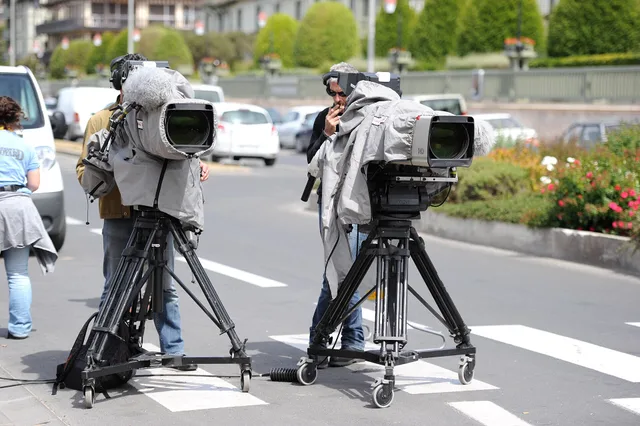
Most suppliers sit in one of three camps. A production company owns or hires crews and kit, and prices by shoot days. A video marketing agency blends creative, media buying and reporting, often on a retainer. A freelance network scales up and down per project, which suits one-off edits.
Named UK examples show the split. Pulse Films (London) and Somesuch (London) are production companies known for director-led craft. Monks (London office), formerly MediaMonks, and Jellyfish (London office) are agency-side providers combining production with distribution. YunoJuno and The Dots are freelance marketplaces for editors, motion designers and producers.
Three supplier business models
Production company
- Pricing basis
- Shoot days
- Main risk
- Cancellation costs
- Best for
- Brand films
Video marketing agency
- Pricing basis
- Retainer
- Main risk
- Notice period
- Best for
- Always-on campaigns
Freelance network
- Pricing basis
- Per project
- Main risk
- Limited cover
- Best for
- Single edits
Each model changes your risk. Crew-led suppliers carry fixed overheads, so cancellations cost more, while retainer agencies lock you into a notice period.
Some suppliers blend two camps, such as a production company with an in-house strategy team. Ask which model drives their pricing, because that is what you are really buying.
Write the brief before you shortlist, then match it to a supplier type: a production company for director-led filming, a video marketing agency for strategy, media and reporting, or a freelance network for one-off edits. Matching briefs to supplier types saves time when you issue a request for proposals.
Pricing signals to compare
Ask every supplier for the same pricing basis: day rate, project fee or monthly retainer. Mixed quotes are the main reason comparisons mislead. Convert each to a cost per finished asset where scope allows.
Pricing basis checklist
- Ask for one pricing basis from all
- Convert to cost per finished asset
- Send identical deliverable list
- Request a total, not a rate card
- Ask which pass-through costs are capped
For example, a team paying £400 a month for a retainer should expect a defined number of edits, not open-ended requests. A single campaign film at a £3,500 project fee is a different purchase.
Send the same deliverable list to every supplier and ask for a total, not a rate card. You can then compare like for like without converting quotes yourself.
Watch pass-through costs: talent fees, music licences, travel and stock footage. Ask which are capped, because a low day rate with uncapped expenses often costs more than a higher all-in fee.
Checks before you sign
Confirm who owns the footage and the final edit. Copyright assignment should be in writing, not implied. Check public liability and professional indemnity cover, and ask how the supplier stores customer data.
Run a reference check on two recent clients with similar budgets. Ask what changed mid-project and how it was handled.
Ask who holds the master files if the relationship ends, and how long they are kept. A supplier that answers slowly now will answer slowly mid-project.
Apply those checks to the model you are buying. For a director-led production company such as Pulse Films or Somesuch, confirm crew insurance, talent releases and who holds the camera masters. For a retainer agency such as Monks or Jellyfish, check the notice period against your campaign calendar. On a freelance marketplace such as YunoJuno or The Dots, check the platform's payment terms and how copyright is assigned.
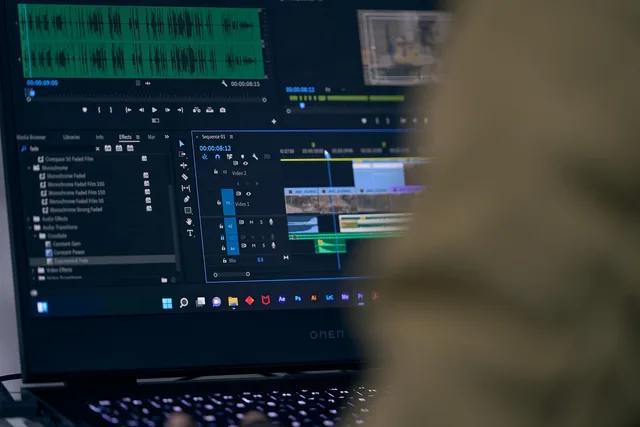
Whether a supplier's editing and reporting stack fits your own matters at handover. The software and reporting tools guide covers that side of delivery, from edit through to reporting.
Sector demand and due diligence
Demand varies by sector, and that shapes which suppliers are worth shortlisting. Tourism businesses buy seasonal destination footage on tight turnaround, so travel experience reduces briefing time. The Office for National Statistics publishes tourism industry data that helps you size that demand before committing budget.
If your audience sits on professional networks, check whether the agency understands paid social formats. LinkedIn's ad resources for marketing agencies explain campaign structures and creative specs, a fair test of whether a supplier follows platform guidance.
Public sector procurement rules
Public bodies cannot simply pick a preferred supplier. The Procurement Act 2023 governs how most public contracts in England, Wales and Northern Ireland are advertised, evaluated and awarded, replacing the Public Contracts Regulations 2015, and it applies to video production like any other service. The National Procurement Policy Statement sets out the sourcing strategy expectations behind it.
If you are buying for a council, NHS trust or arm's length body, read that guidance before drafting your specification. It sets out transparency and evaluation expectations that shape what suppliers must submit.
Above-threshold contracts are advertised on the Find a Tender Service, while lower-value work is usually advertised on Contracts Finder or let under the buyer's own standing orders. Because each public body sets its own process below the thresholds, ask which route applies before you price the work.
A simple comparison table
Production company
- Pricing basis
- Day rate plus kit
- Typical strength
- Craft and crew
- Main risk
- Cancellation costs
- Best for
- Brand films
- Due diligence focus
- Insurance and kit
Video marketing agency
- Pricing basis
- Monthly retainer
- Typical strength
- Strategy and distribution
- Main risk
- Notice periods
- Best for
- Always-on campaigns
- Due diligence focus
- Reporting and data
Freelance network
- Pricing basis
- Per project
- Typical strength
- Speed and flexibility
- Main risk
- Limited account cover
- Best for
- Single edits
- Due diligence focus
- References
Use the table as a starting filter, then score each supplier against your own criteria.
Common questions
How many suppliers should I compare?
Three is usually enough to test the market without delaying the brief. Compare the same scope and pricing basis across all three.
Is a cheaper day rate always better value?
No. Check pass-through costs, revision rounds and who owns the final files. A higher all-in fee with capped expenses is often the safer budget line.
Do public sector rules apply to small video contracts?
Public procurement rules apply to public bodies at every contract size, but the route differs. Above-threshold contracts must be advertised on the Find a Tender Service, while lower-value work usually goes on Contracts Finder or through the buyer's own standing orders.
What should a reference check cover?
Ask about budget changes, turnaround and how problems were resolved. Two references from comparable projects tell you more than a longer list.